We Tried Every Viral Cat-Proofing Hack So You Don't Have To (You're Welcome)

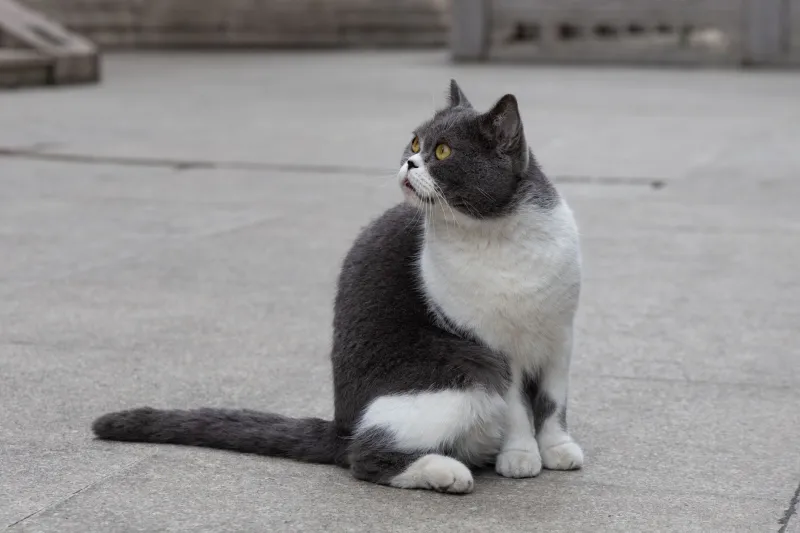
Photo: cat caught knocking plant off shelf mischievous expression, via img.freepik.com
Somewhere between the third scratch on my IKEA couch and the moment I found my pothos plant completely excavated and spread across the kitchen floor like a botanical crime scene, I decided something had to change.
So I did what any reasonable person does: I went down a four-hour internet rabbit hole of cat-proofing hacks. TikTok. Reddit. Pinterest boards with names like "cat mom life ✨." YouTube tutorials from people who seemed suspiciously calm about their cats.
Then I actually tried them. All of them. For three weeks. With two test cats who I will refer to as Subject A (a four-year-old tabby with a personal vendetta against upholstered furniture) and Subject B (a two-year-old tortoiseshell who treats every deterrent as a personal challenge).
Here's what happened.
HACK #1: Double-Sided Tape on Furniture Edges
The Claim: Cats hate sticky textures. Apply double-sided tape to couch arms and chair edges and they'll learn to avoid scratching those surfaces. What We Used: Sticky Paws furniture strips, $12 on Amazon. The Test: Applied strips to the arms of the couch on a Monday morning. Stood back. Waited.
Results: Subject A approached, touched the tape, recoiled, and then — I cannot stress this enough — came back and scratched directly next to the tape. Like, one inch from it. The tape deterred the exact spot it covered and nothing else. Subject B sat on the tape. Voluntarily. Seemed to enjoy it.
The tape did eventually work for Subject A after about a week of consistent application — she started redirecting to the sisal scratcher nearby. Subject B remains tape-curious and cannot be deterred by texture alone.
Verdict: ⭐⭐⭐ (3/5) — Works for some cats, not for chaos agents. Effectiveness depends entirely on your cat's personality. Leave the strips on long enough and you may see behavioral change. Remove them too early and you're back to square one.
HACK #2: Aluminum Foil on Counters
The Claim: Cats despise the sound and feel of aluminum foil. Line your counters with it and they'll stop jumping up. What We Used: Reynolds Wrap. The regular kind. We're not made of money. The Test: Covered the kitchen counter in foil on a Tuesday evening.
Results: Subject A jumped on the counter, heard the crinkle, leapt off in genuine alarm, and did not return for the rest of the evening. Breakthrough! Progress! Victory!
Wednesday morning: Subject A was sitting on the foil eating a piece of bread she'd found somewhere. She had adapted. She had evolved. The foil had become furniture.
Subject B never cared about the foil at any point. She walked across it like it was a red carpet.
Verdict: ⭐⭐ (2/5) — Provides approximately 18 hours of deterrence for sensitive cats. Completely useless against bold cats. Also your kitchen looks insane and your roommates/partners will have questions.
HACK #3: Citrus Spray as a Plant Protector
The Claim: Cats hate citrus scents. Spray diluted lemon or orange essential oil around plants to keep cats away. What We Used: A DIY spray — water, a few drops of lemon essential oil, applied to the soil and surrounding area of three houseplants. The Test: Applied spray to a snake plant, a pothos, and a peace lily (all non-toxic to cats — we checked twice).
Results: Subject A sniffed the snake plant, made a face like someone had personally offended her, and walked away. The snake plant survived. The pothos survived. The peace lily survived. For eight entire days, we had plants AND cats coexisting peacefully.
Day nine: Subject B knocked over the pothos. Not to eat it — just to see what would happen. The citrus spray had dried and the scent had faded. Reapplication every five to seven days appears to be required.
Verdict: ⭐⭐⭐⭐ (4/5) — Genuinely effective with consistent reapplication. Best cat-proofing hack on this list for plant parents. Use actual diluted citrus essential oil, not citrus-scented cleaning products, which can be toxic to cats.
HACK #4: Motion-Activated Air Canister (SSSCat)
The Claim: A motion sensor triggers a burst of compressed air when the cat enters a restricted zone, creating a consistent, human-independent deterrent. What We Used: PetSafe SSSCAT, approximately $35. The Test: Placed in front of the kitchen trash can, which Subject A had learned to open.
Results: Day one, Subject A triggered it, got blasted with air, and did not go near the trash can for the remainder of the test period. Eleven days. Zero trash incidents. This is the most successful result in this entire experiment.
Subject B triggered it once, sat down, stared at it, and then walked around it via a route that avoided the sensor. She is a problem.
Verdict: ⭐⭐⭐⭐⭐ (5/5) — For cats that aren't actively trying to outsmart technology, this is the most effective hands-off deterrent we tested. Worth every penny for high-stakes zones like trash cans, specific counters, or off-limits rooms.
HACK #5: Cardboard Scratchers Placed Strategically Next to Furniture
The Claim: If you give cats an acceptable alternative right next to the thing they're scratching, they'll redirect. What We Used: Two flat corrugated cardboard scratchers, $14 total. The Test: Placed one directly beside the couch arm Subject A preferred, one beside the bookshelf Subject B had been eyeing.
Results: This is embarrassingly effective. Subject A started using the cardboard scratcher within two days. Subject B used hers within four. Both pieces of furniture saw significantly reduced damage. The scratchers themselves are now destroyed, which is exactly what they're designed for, and we consider this a win.
Verdict: ⭐⭐⭐⭐⭐ (5/5) — Cheap, effective, and works with cat instincts instead of against them. The key is placement: right next to the thing they're currently scratching, not across the room.
HACK #6: Furniture Covers and Throw Blankets as Scratch Deterrents
The Claim: If you cover the surface cats are scratching with a different texture — a throw blanket, a slipcover — they'll lose interest. What We Used: A chunky knit throw blanket over the couch arm. The Test: Draped the blanket over Subject A's favorite scratch zone.
Results: Subject A immediately pulled the blanket off and scratched the couch underneath. It took her less than ninety seconds. We timed it.
Verdict: ⭐ (1/5) — Does not work. Cats are stronger and more motivated than a throw blanket. Save this one for actual cold weather.
The Final Scorecard
| Hack | Score | Works For |
|---|---|---|
| Double-sided tape | 3/5 | Texture-sensitive cats |
| Aluminum foil | 2/5 | Very timid cats, briefly |
| Citrus spray on plants | 4/5 | Most cats, with upkeep |
| Motion air canister | 5/5 | High-stakes zones |
| Cardboard scratcher placement | 5/5 | Almost every cat |
| Throw blanket cover | 1/5 | Nobody, apparently |
The honest takeaway? Cat-proofing isn't about finding one magic solution. It's about layering multiple strategies and accepting that your cat is going to find the loopholes, because that's what cats do. They are tiny, determined engineers of chaos.
But cardboard scratchers and a motion air canister? Start there. Your couch will thank you.